

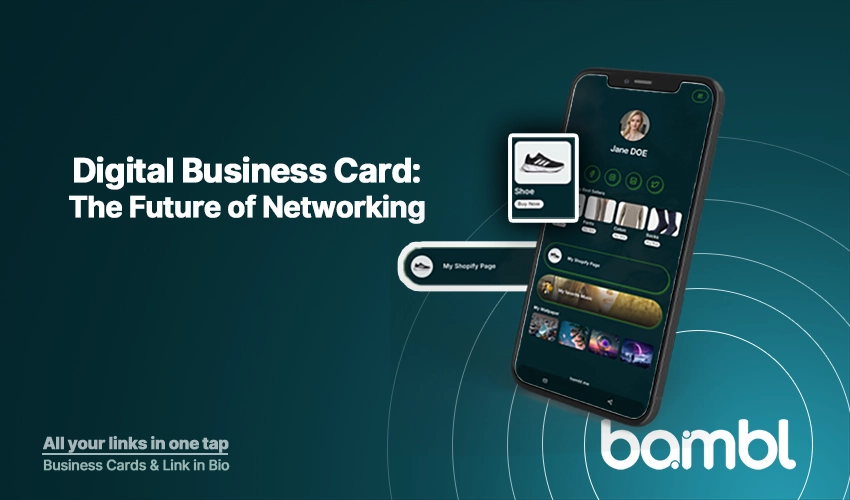
Digital Business Card: The Future of Networking With the rapid advancement of technology, traditional paper business cards are being replaced by their digital counterparts. Digital business cards offer numerous benefits, including convenience, versatility, and eco-friendliness. By seamlessly integrating with smartphones and other devices, these digital cards provide a modern and efficient way to connect and network in today’s digital age. In today’s fast-paced, technology-driven world, first impressions matter more than ever. Whether you’re at a networking event, meeting clients, or attending conferences, sharing your contact details quickly and effectively can make or break future opportunities. Enter the digital business card—an innovative solution that combines convenience, sustainability, and functionality.
In this blog, we’ll explore what digital business cards are, their benefits, how to create one, and why they are becoming an essential tool for modern professionals.
Contents
What is a Digital Business Card?
A digital business card is an electronic version of a traditional business card. It allows users to share their contact details, social media links, portfolio, or even multimedia content like videos and presentations through smartphones or other digital devices.
Unlike physical cards, which are often misplaced or discarded, digital cards can be shared via QR codes, NFC technology, email, or even messaging platforms. They are accessible anytime, anywhere, making them an ideal choice for today’s mobile-first world.
To get more information about this, you can read our article titled “What is a digital business card?”
Why Go Digital?
1. Eco-Friendly and Sustainable
The average professional hands out thousands of paper business cards throughout their career. Unfortunately, most of these end up in the trash, contributing to waste. Digital business cards eliminate the need for paper, ink, and physical transportation, making them an eco-friendly alternative.
2. Cost-Effective
Creating and printing physical cards can be expensive, especially when updates are needed. With digital business cards, there’s no need to reprint. Changes to your information can be made instantly, saving both time and money.
3. Always Accessible
Forgot your stack of business cards at home? No problem! A digital card is always accessible on your smartphone, ensuring you never miss a networking opportunity.
4. Enhanced Customization
Unlike physical cards, digital business cards offer limitless customization. You can include your:
• Name and title
• Phone number and email
• Social media profiles
• Website or portfolio links
• Embedded videos or images
• Call-to-action buttons (e.g., “Schedule a Meeting” or “View Portfolio”)
This makes it easier to showcase your brand and personality.
5. Real-Time Sharing and Updates
A digital business card can be shared in seconds through QR codes, NFC technology, or even a simple link. If your information changes (e.g., a new phone number or updated job title), your card updates in real time—no need to reissue cards.
How to Create a Digital Business Card
1. Choose the Right Platform
There are several tools and platforms available to create digital business cards. Some popular ones include:
• Bambl (offering user-friendly customization and QR code integration)
• Canva (for design-focused users)
• HiHello
• Linq
Choose a platform that aligns with your needs, whether it’s design flexibility, ease of sharing, or analytics.
2. Customize Your Card
When designing your digital business card, consider these elements:
• Design: Keep it clean and professional. Use your brand colors and logo.
• Content: Include essential contact details, a professional photo, and links to your website or social media profiles.
• Call-to-Action: Add buttons for direct actions, like “Email Me” or “Visit My LinkedIn.”
3. Add Interactive Features
Leverage the digital medium by incorporating interactive elements:
• Clickable Links: Direct users to your portfolio, website, or product demo.
• Multimedia Content: Add a video introduction or a slideshow of your work.
• Appointment Booking: Integrate tools like Calendly to let users schedule meetings with you.
Before sharing your digital card, test it across devices to ensure compatibility. Once ready, you can share it through:
• QR codes printed on marketing materials
• NFC cards for tap-and-share functionality
• Email signatures or LinkedIn messages
Use Cases for Digital Business Cards
1. Networking Events
At conferences or meetups, a digital business card sets you apart. By simply scanning a QR code or tapping an NFC card, attendees can instantly save your contact information.
2. Client Meetings
Professionals such as real estate agents, consultants, or freelancers can use digital cards to share detailed information, such as property listings, case studies, or testimonials, in addition to their contact details.
3. Remote Work and Virtual Meetings
In a world where virtual interactions are the norm, sharing a digital card via Zoom chat or email helps maintain professionalism and ensures your contacts have all the necessary details.
4. Job Seekers and Freelancers
A digital business card can double as a mini-portfolio. Job seekers can include links to their resumes, LinkedIn profiles, or past projects, while freelancers can showcase their work to potential clients.
Tips for an Effective Digital Business Card
1. Keep It Simple
Avoid clutter. Focus on including only the most relevant information.
2. Prioritize Visual Appeal
A sleek, well-designed card leaves a lasting impression. Use high-quality images and maintain consistent branding.
3. Ensure Compatibility
Test your card on different devices and platforms to ensure it displays correctly.
4. Track Engagement
Many platforms provide analytics to track how often your card is viewed or saved. Use this data to refine your approach.
The Future of Digital Business Cards
With advancements in technology, digital business cards are becoming more sophisticated. Features like augmented reality (AR), artificial intelligence (AI) integrations, and advanced analytics are on the horizon. Imagine scanning a card and instantly viewing a 3D product demo or receiving AI-powered insights about the person you just connected with.
Additionally, as businesses and individuals continue to prioritize sustainability, the demand for eco-friendly solutions like digital business cards will only grow.
The digital business card is more than just a trend—it’s a revolution in the way we network and share information. Whether you’re a seasoned professional, an entrepreneur, or a freelancer, adopting this modern tool can enhance your connections and showcase your brand in a memorable way.
By investing in a high-quality digital business card, you not only embrace innovation but also contribute to a more sustainable future. So why wait? Make the switch to digital today and transform the way you connect with the world.